Signs It’s Time for a Flat or Single-Ply Roof Installation
If signs it’s time for a flat or single-ply roof installation appear, local contractors can assess your roof’s condition and provide expert installation services.
Property owners in the area who notice signs such as persistent leaks, ponding water, or visible surface deterioration may find it worthwhile to explore options for flat or single-ply roof installation. These types of roofing systems are often chosen for their durability, ease of maintenance, and ability to provide a seamless, weather-resistant barrier. Recognizing these indicators early can help prevent more extensive damage and costly repairs, making it practical to consult with local contractors experienced in flat and single-ply roofing solutions.
If you're observing issues like cracked or blistered roofing material, increased energy costs, or frequent repairs, it could signal that a new roof installation might be needed soon. Local service providers specialize in installing flat and single-ply roofs that can address these concerns effectively. Continuing to read can provide valuable insight into the signs that suggest a roof upgrade is necessary, and how trusted local contractors can assist in ensuring your property remains protected and structurally sound.
- Flat roof installation - recommended when signs it’s time for a flat or single-ply roof installation include persistent leaks or ponding water that cannot be repaired effectively by local contractors.
- Single-ply roof installation - often needed when older roofing materials show extensive wear or damage, prompting local service providers to suggest replacement for better durability.
- Flat roof installation - suitable if the existing roof has reached the end of its lifespan, with local pros assessing structural integrity and recommending new installation options.
- Single-ply roof installation - advised when repairs become frequent and costly, leading local contractors to recommend a complete upgrade to improve long-term performance.
- Flat roof installation - appropriate when signs such as mold, extensive cracking, or significant granule loss indicate that a new roof installation may be necessary for safety and functionality.
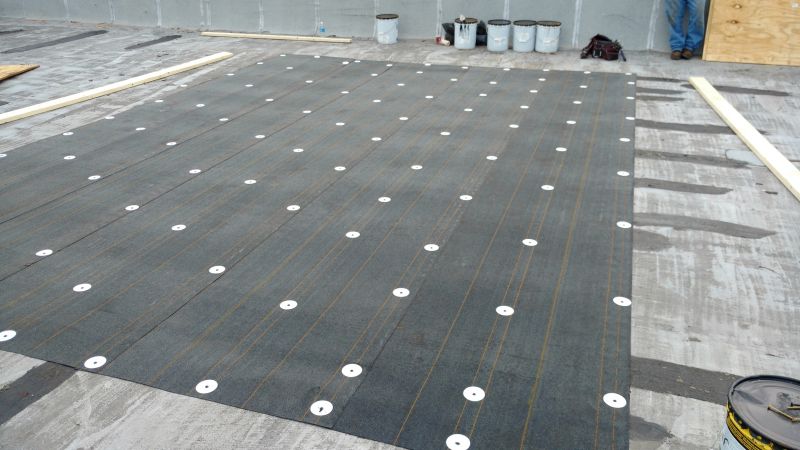
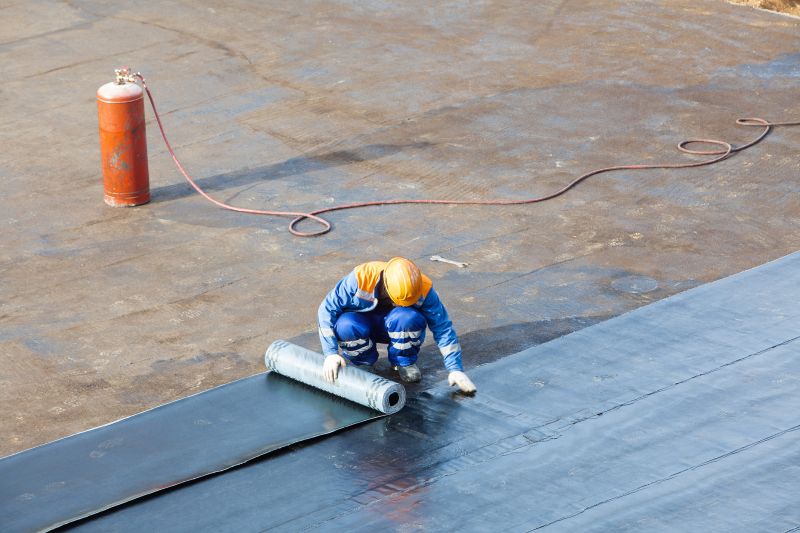
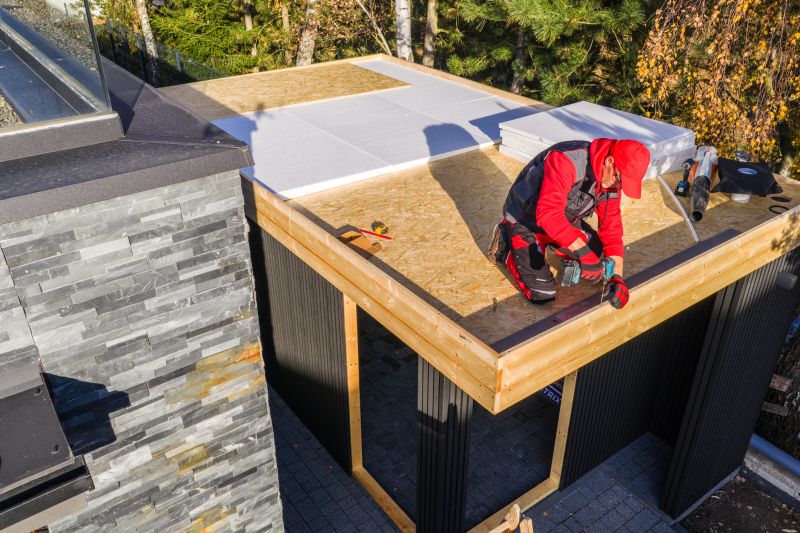
Understanding the signs it’s time for a flat or single-ply roof installation often begins with recognizing common issues that develop over the lifespan of these roofing systems. Homeowners searching for this topic typically want to identify practical indicators that their current roof may need replacement rather than repair. These signs can include persistent leaks, visible cracks or blisters, and areas where the membrane appears to be sagging or pooling water. Such problems often result from aging materials, prolonged exposure to weather, or structural shifts, making replacement a more viable solution than ongoing repairs. Local contractors who specialize in flat or single-ply roofing can assess these issues thoroughly and recommend whether a new installation is the best course of action.
This topic also relates to specific plans homeowners might have for their properties, such as remodeling, expanding, or upgrading commercial and residential buildings. Flat and single-ply roofs are common on commercial structures like warehouses, retail centers, and office buildings, but they are also found on some modern residential homes with flat or low-slope designs. When planning for a new roof, property owners often consider the long-term durability and maintenance needs of different materials. Recognizing the signs that indicate a roof’s end-of-life helps property owners decide when to replace an aging system with a more reliable, modern flat or single-ply solution. Local service providers experienced in these installations can help ensure the new roof meets the specific needs of the property and its intended use.
The types of properties that typically come up when discussing signs it’s time for a flat or single-ply roof installation tend to be structures with flat or low-slope roofs. Commercial buildings are the most common, as their design often favors these roofing systems for ease of installation and maintenance. However, some residential properties with flat or gently sloped roofs also fall into this category. These roofs are chosen for their modern aesthetic and efficient use of space on top of the building. Recognizing the warning signs of deterioration on these property types is crucial because the flat or single-ply roofing materials are generally designed to last for several decades but can become vulnerable without proper maintenance. Local contractors who specialize in flat and single-ply roofing can evaluate these properties and recommend appropriate replacement options to ensure the roof’s integrity and performance.
Connecting these signs to real projects involves understanding how local pros fit into the process. When signs indicate it’s time for a new flat or single-ply roof, property owners often seek experienced contractors who can handle the installation efficiently and effectively. These service providers bring expertise in working with various membrane systems, such as EPDM, TPO, or PVC, and can help select the best material for the property’s specific needs. Whether it’s a commercial facility requiring a durable, weather-resistant roof or a residential building needing a modern, low-maintenance solution, local contractors can guide property owners through the decision-making process. Their role is to ensure that the new roof installation addresses the underlying issues and provides a reliable, long-lasting cover for the property.
Commercial roofing replacement - local contractors skilled in replacing large flat roofs often handle projects that require planning, materials, and installation similar to single-ply roofing systems.
Roof membrane repairs - repairing or patching existing membrane roofs involves understanding waterproofing techniques and materials comparable to those used in flat or single-ply roof installations.
Waterproofing and sealing projects - applying waterproof coatings or sealants on flat surfaces shares tools and planning considerations with installing single-ply roofing materials.
Roof insulation upgrades - upgrading insulation under flat roofs involves similar surface preparation and installation skills required for single-ply roofing systems.
Flat roof deck renovations - reinforcing or modifying flat roof decks requires knowledge of roofing materials and structural planning akin to flat roof installations.
Drainage system installations - designing and installing effective drainage solutions on flat roofs involves planning and technical skills comparable to those needed for single-ply roofing projects.
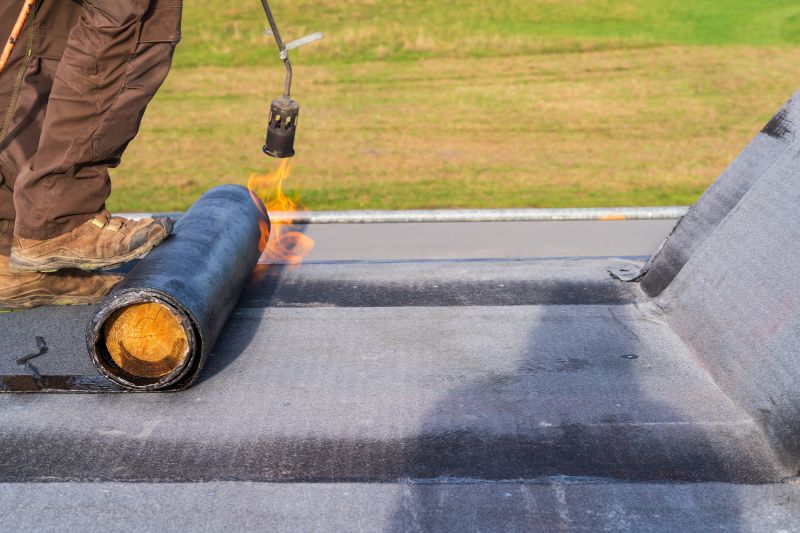
When evaluating potential service providers for a flat or single-ply roof installation, it’s important to consider their experience with similar projects. Homeowners should inquire about how many flat or single-ply roof installations a contractor has completed and whether they have worked on properties comparable in size and style. An experienced contractor will be familiar with the specific challenges and best practices associated with this type of roofing, which can help ensure the job is done properly and efficiently. Reputable local contractors often provide references or examples of past work, giving homeowners a clearer idea of their expertise and the quality of their installations.
Clear, written expectations are a key factor when comparing local service providers. Homeowners should seek detailed proposals that outline the scope of work, materials to be used, and the projected process for installation. This transparency helps prevent misunderstandings and provides a basis for comparing different contractors’ approaches. Good communication from the start also includes responsiveness to questions and clarity about timelines and procedures. Service providers who prioritize clear documentation and open dialogue tend to foster a more confident working relationship, which can be especially helpful for projects involving flat or single-ply roofing systems.
Reputable references and strong communication are essential indicators of a reliable contractor. Homeowners should ask for contact information from previous clients or access reviews that highlight the contractor’s professionalism and quality of work. Additionally, a contractor’s ability to listen to concerns, explain options thoroughly, and keep the homeowner informed throughout the project reflects their commitment to customer service. Choosing a local contractor with a solid reputation and good communication practices can contribute to a smoother installation process and a more satisfactory outcome for the flat or single-ply roof project.
Property owners often search for signs it’s time for a flat or single-ply roof installation when they are planning practical projects around their homes and businesses. Local pros provide Flat or Single-Ply Roof Installation services for everyday jobs and straightforward project options.
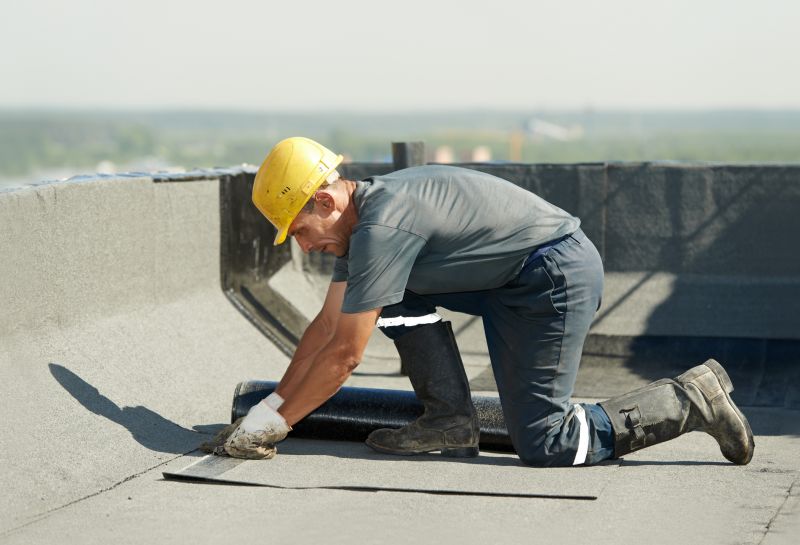
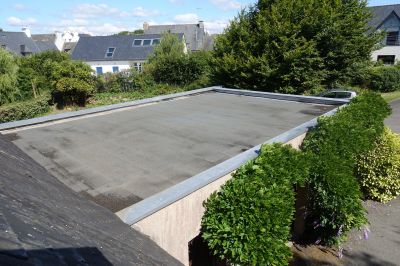
Property owners noticing persistent leaks or water stains on their ceilings may find it necessary to consider a flat or single-ply roof installation. Over time, aging roofing materials can develop cracks, blisters, or areas of deterioration that compromise the roof’s integrity. When these issues become frequent or severe, local contractors experienced in flat roofing systems can evaluate the situation and recommend suitable replacement options to ensure the property remains protected from water intrusion.
Additionally, signs such as standing water after rain, visible surface damage, or increased energy costs due to poor insulation can indicate that a roof’s performance is declining. These common project scenarios often lead property owners to explore flat or single-ply roofing solutions. Local service providers can assess the roof’s condition and discuss the benefits of modern flat roofing materials, helping property owners make informed decisions about upgrading or replacing their existing roof system.
What are common signs that indicate it’s time for a flat or single-ply roof installation? Visible cracks, consistent leaks, or significant membrane deterioration are typical signs that a new roof may be needed, prompting consultation with local contractors for assessment and replacement options.
How can I tell if my flat or single-ply roof has reached the end of its lifespan? When roofing materials show extensive wear, such as blistering, bubbling, or widespread membrane damage, it’s often a sign that replacement by experienced service providers should be considered.
Are there specific issues that suggest repair is no longer effective for flat or single-ply roofs? Frequent or worsening leaks, persistent ponding water, or extensive membrane cracks usually indicate that repairs may no longer be sufficient, making installation of a new roof advisable with the help of local experts.
What maintenance issues might signal it’s time for a roof replacement? Accumulation of debris, persistent ponding, or visible damage like tears and punctures can lead to more serious problems, suggesting it’s time to consult local contractors about a new flat or single-ply roof installation.
How do I know if my flat or single-ply roof is aging and needs replacement? Signs such as fading, surface cracking, or widespread deterioration typically develop over time, and a professional assessment from local service providers can confirm if a new roof installation is needed.
Visible roof damage - Cracks, blistering, or punctures on the roof surface can indicate the need for a new flat or single-ply roof installation, prompting property owners to seek professional replacement services.
Persistent leaks or water intrusion - Ongoing leaks during rain or snow suggest that the existing roof may no longer provide adequate protection, leading property owners to consider installing a new flat or single-ply roof with the help of local contractors.
Age of the roof - When a flat or single-ply roof reaches the end of its typical lifespan, property owners often explore replacement options to ensure continued durability and performance, working with nearby service providers.
Frequent repairs and maintenance - If constant patching and repairs become costlier or less effective, property owners might opt for a complete roof replacement, relying on local pros to handle the installation efficiently.
If you are thinking about signs it’s time for a flat or single-ply roof installation for a property, this guide is meant to help you understand this topic, the typical project types, and how different options might fit your plans.
When you are ready, you can use the quote form on this page to share a few details about your project. From there, local pros can review the basics and follow up with options that match what you have in mind.